The core shopping list
Chicken pho needs chicken, water or stock, onion, ginger, flat rice noodles, seasoning, and fresh finishing herbs. Whole spices support the broth; they do not need to dominate it.
Start with the recipe you intend to cook. Whole-chicken, ready-made-stock, and pressure-cooker versions use different quantities and cuts. The complete ingredient list belongs to each recipe so there is one clear source for measurements.
- Broth: whole chicken or bone-in pieces, onions, ginger, water.
- Aroma: whole coriander seeds, with small amounts of other spices if the recipe calls for them.
- Seasoning: fish sauce, salt, and a little sugar.
- Bowl: flat rice noodles, cooked chicken, scallions, cilantro, and optional lime or chili.
Choose the chicken for your method
A whole bird is useful when you want both white and dark meat. Bone-in thighs fit pressure and slow cookers neatly. Plain cooked chicken suits a quick recipe made with prepared stock.
Skin adds richness, but a thick layer of fat can mute the broth. Skim some if necessary. Do not wash raw chicken; keep its juices away from herbs and other foods that will be eaten without further cooking.
Buy the right noodles
Look for flat rice noodles labeled bánh phở. Dried noodles store well and are easy to portion. Fresh noodles have a shorter storage life and often need only a brief blanch, depending on the manufacturer.
Round rice vermicelli and wheat noodles are not interchangeable with flat pho noodles in texture. They can make a pleasant soup, but use their own cooking instructions and expect a different bowl.
Understand fish sauce and salt
Fish sauce adds both salt and savory depth. Taste it in the finished broth rather than assuming every brand has the same strength. Low-sodium commercial stock gives you more control than an already salty base.
Fish sauce contains fish. For a fish-free variation, season with salt or a suitable fish-free alternative and expect a flavor change. Check labels on bottled sauces, stock, and noodles if avoiding allergens; do not assume the entire recipe is gluten-free from its name alone.
Shop for fresh aromatics
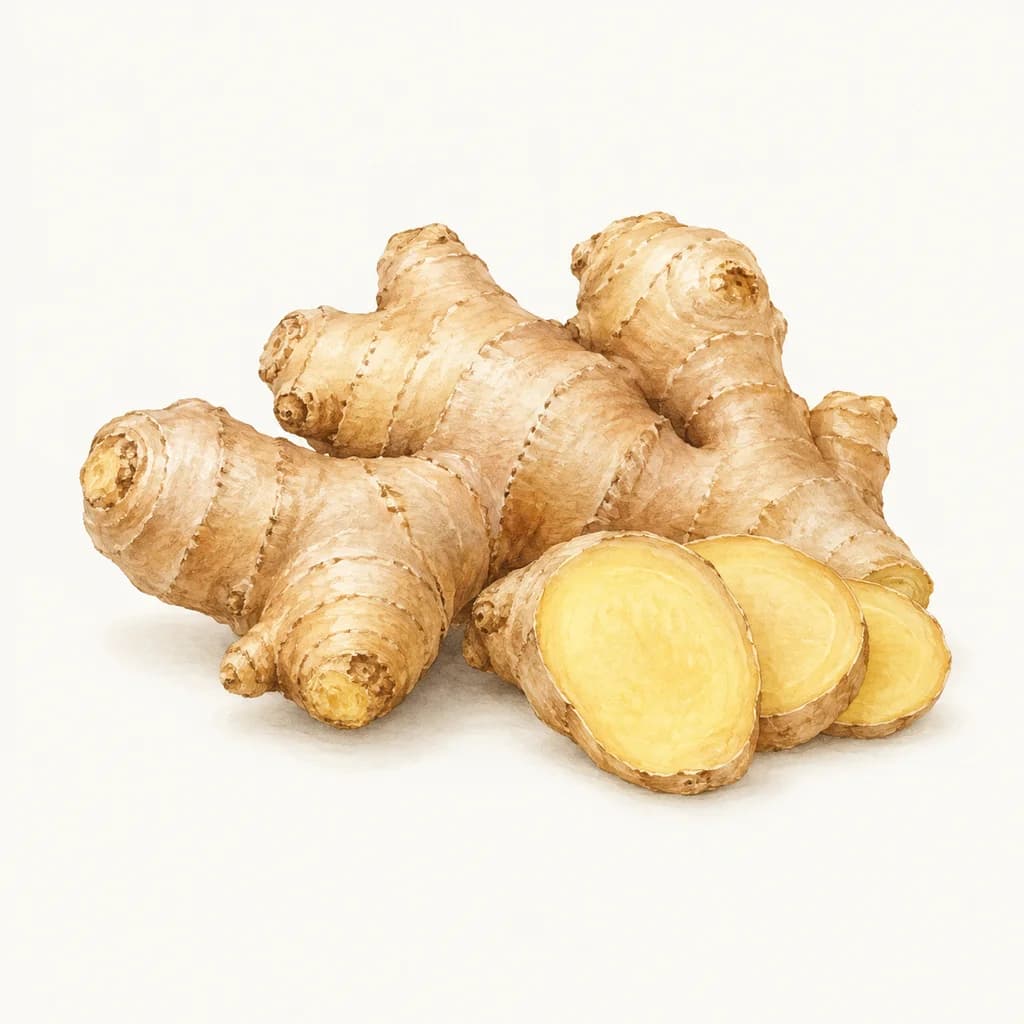
Choose firm ginger with a fresh scent and onions without soft spots. Mature ginger can be fibrous, which is fine for an infusion that will be strained. Tender ginger is easier to slice finely for a raw finishing garnish.
Cilantro and scallions are a useful starting pair. Thai basil, lime, chili, and other garnishes can be offered separately. Buying every herb available is less useful than buying a small amount you will use while fresh.
Keep substitutions deliberate
Granulated sugar can replace rock sugar in the measured recipe amount. Omitting an optional spice is usually better than adding a large spoonful of its ground equivalent. If you use a pho seasoning packet, read the ingredients first: some contain salt or bouillon as well as spices.
For your first pot, keep the shopping list short and follow the measured recipe. Once you know the baseline, change one ingredient at a time and record what changed.
Questions from the kitchen
Do I need a specialty grocery store?
Many supermarkets carry the core ingredients. An Asian grocery may offer a wider selection of bánh phở, fish sauce, and herbs, but you can make a useful first bowl without every optional garnish.
Is chicken pho automatically gluten-free?
No. Rice noodles themselves may be suitable, but stock, sauces, seasonings, and manufacturing conditions need checking for your needs.